
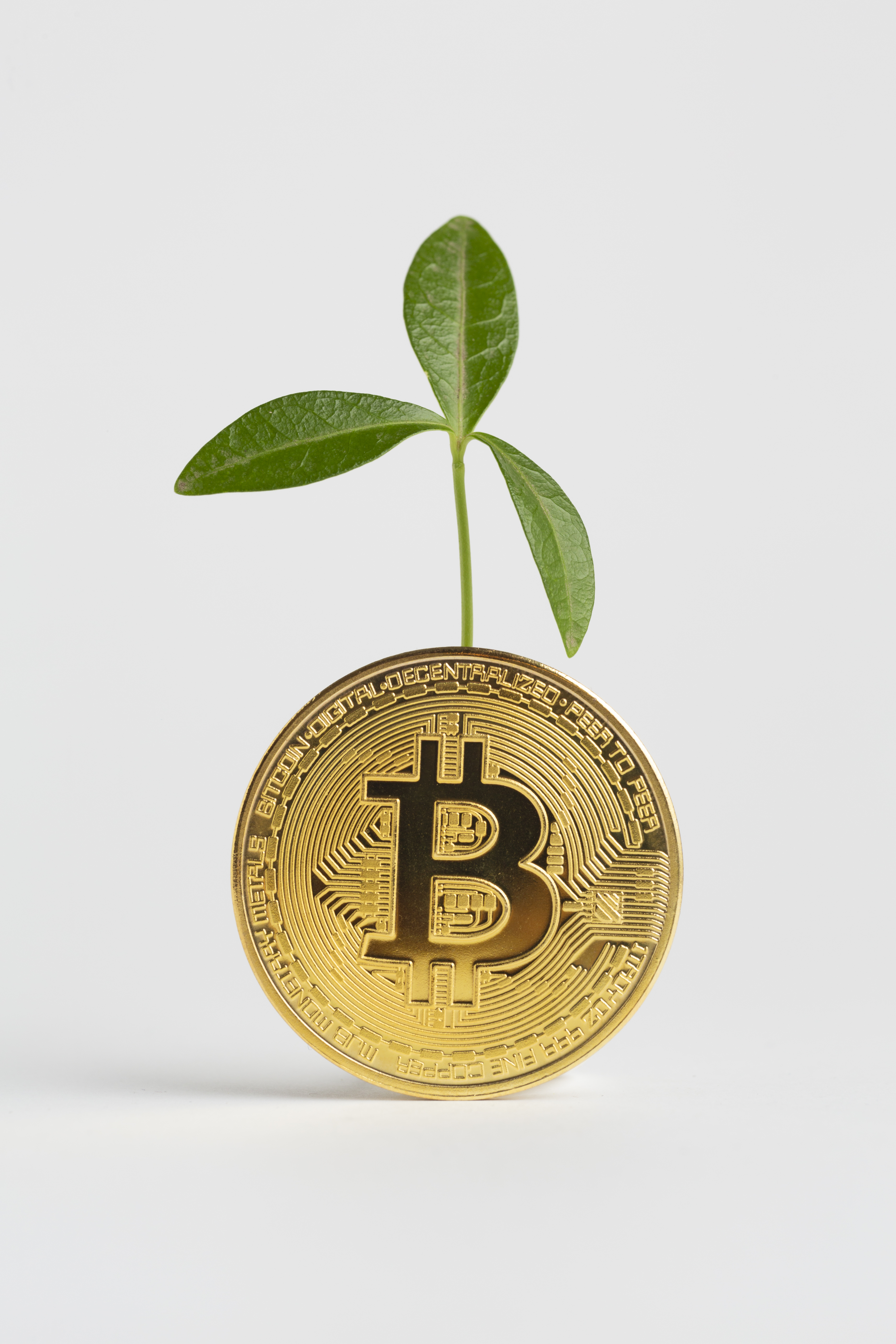
In the current economic reality that we live in, various States have accumulated interesting sums of Bitcoin (BTC). This demonstrates the increasingly widespread recognition of this asset as a digital reserve of value.
One of the largest holders in the world is Ukraine, whose government has recently declared holding a total of 46,351 BTC. By adopting this approach, it seeks, among other objectives, to confront the inflation that the country faces in a context of war.
For its part, Finland has accumulated 1,981 BTC, which shows its interest in integrating cryptocurrencies into its financial strategy.
A country that has stood out for its disruptive approach to the present asset is Bhutan, which has taken advantage of its water resources to mine BTC (currently, it has a reserve close to 13,000 BTC). Senior government officials of this Asian country have mentioned that, for them, BTC appears as a strategic reserve, which they have also used to finance essential public services for their population.
As more states explore incorporating the aforementioned asset into their national reserves, it is becoming clear that it is gaining ground as a valuable storage asset, largely thanks to its essential characteristics, such as its limited supply. It should be noted that certain countries, such as Brazil and Japan, are actively considering the adoption of BTC to strengthen their positions in a disruptive economic landscape.
In short, the path towards the broad incorporation of BTC into national reserves highlights that a profound transformation is being consolidated in the approach to sovereign reserves and global finance.